Made for today without costing tomorrow.
Every day in India alone, 6.2 crore paper cups end up in landfills, releasing methane, leaching microplastics, and wasting 8,370 tons of high-quality paper every month. Despite this, most of them were marketed as “recyclable.”
What Happens to Recyclable Paper Cups?
Paper cups are used for minutes and then discarded. We have been greenwashed into believing they are recyclable, but most cups aren’t really just paper.
Inside, they’re lined with polyethylene (PE), a thin layer of petroleum-based plastic that makes them leak-proof but impossible to recycle correctly. The plastic and paper are bonded so tightly that separating them requires a complex, energy- and water-intensive industrial process. Very few facilities in the world are equipped to handle it. So even when you do the right thing and recycle, most cups never make it back into the system.
Instead, they end up in landfills, where they can take up to 20 years to break down, releasing microplastics and methane along the way. And it’s not just a waste problem.
🚨 The Microplastic Threat:
By the time you take your first sip from one of these paper cups, over 25,000 microplastic particles can already be in your drink and within minutes, inside your body. All from a cup used once, for 15 minutes.
Why Other Alternatives Fall Short?
A lot of cups today carry eco-friendly labels. But most still use plastic-like coatings such as PLA or PBS, made from bioplastics like corn starch. To be certified biodegradable, at least 90% of the product must break down in soil within 6 months. PE-coated cups can take up to 20 years.
To be truly compostable, they must not only break down but also leave the soil healthy enough to support new plant growth. Most PLA/PBS cups only meet this under tightly controlled industrial composting conditions, which barely exist at scale. And just like PE, these coatings still form a film on paper, which means:
- They’re not easily recyclable
- They still require separation
In the end, they rarely get processed correctly and end up in landfills.
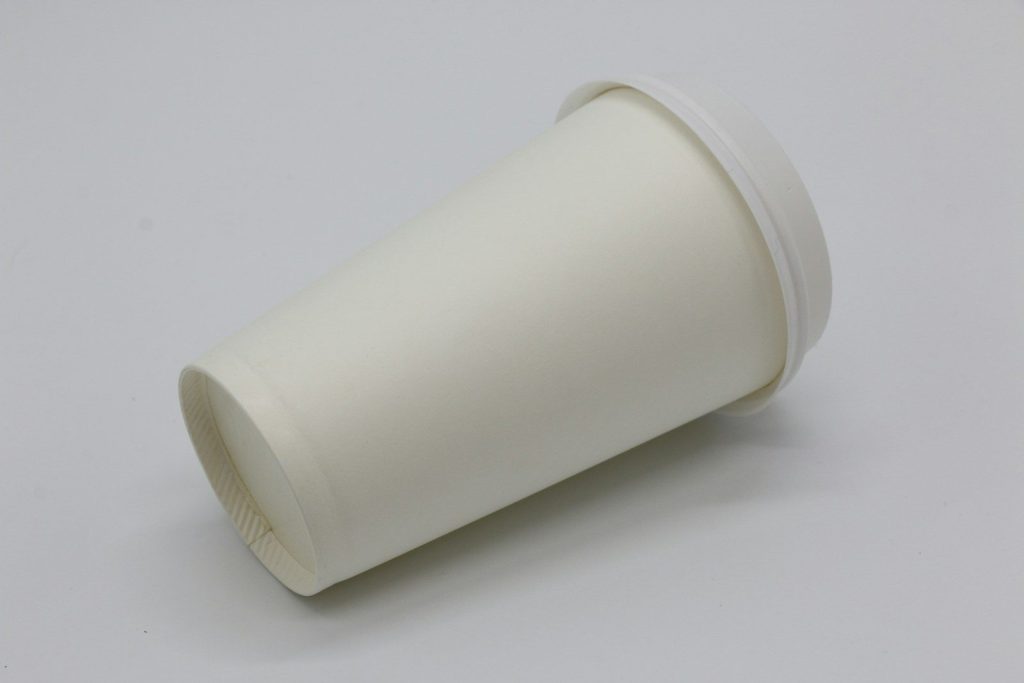
The Impact So Far
200+ Tons
of plastic waste completely eliminated by replacing conventional alternatives.
And we’re just getting started.
The RAS Difference
We didn’t set out to find a better plastic; we removed it entirely.
At RAS Bio Cups, we use a water-based coating applied to paper and oven-dried to form a protective barrier. Unlike PE or PLA, this coating doesn’t sit on top as a film but blends directly into the paper fibers. Since there’s no plastic layer to separate, our cups can be recycled directly with regular paper waste, eliminating the need for special infrastructure and extra processing.
RAS Bio-Cups are plastic-free, designed for temperatures up to 100°C, and work just as well for cold beverages. They are made of paper sourced from FSC-certified mills such as ITC and TNPL. Our biodegradable bagasse lids are also made with conscious materials such as sugarcane pulp, keeping the entire system plastic-free.
This makes them
Easily recyclable with regular paper waste
Easily compostable when needed
Safe even if they end up in landfills
RAS Bio Cups v/s Disposable Cups In The Market
A comparison of RAS Bio Cups to other disposable cups available on the market.
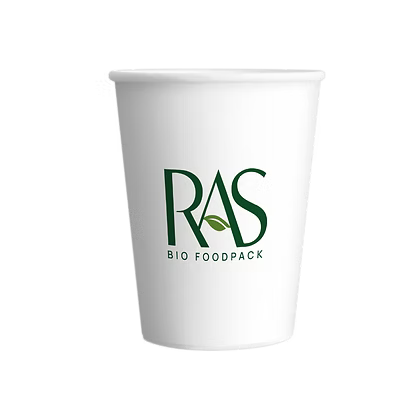
RAS Bio Cups
- Contains an aqueous (water-based) coating that does not form a film
- 100% Plastic-free
- Certified Compostable – ISO 17088
- US FDA certified
- Very low migration coating
- Can withstand high temperatures
- Compostable under natural conditions*
- Repulpable and
- Recyclable – the cups do not need to undergo a separation before being reused
- Easily Printable
RAS Bio Cups
- Contains an aqueous (water-based) coating that does not form a film
- 100% Plastic-free
- Certified Compostable – ISO 17088
- US FDA certified
- Very low migration coating
- Can withstand high temperatures
- Compostable
- Recyclable – the cups do not need to undergo a separation before being reused
- Easily Printable
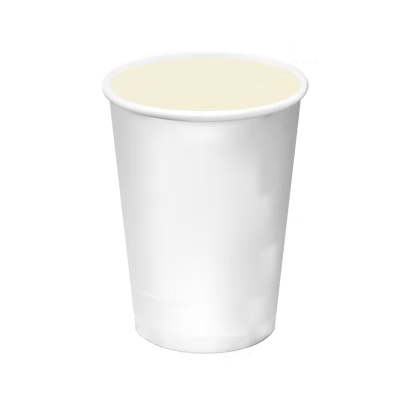
Paper Cups with PBS Coating
- Contains a Polybutylene succinate (PBS) film made from corn and cassava
- Gives more tensile strength than PLA
- Compostable and Biodegradable– but only under industrial composting conditions and facilities
- Environmental Cost of composting makes it as bad as using a PE coated paper cup
- Not easily recyclable – the PBS film and paper need to be separated
- Need to be properly sorted from other waste streams as they contaminate recycling streams
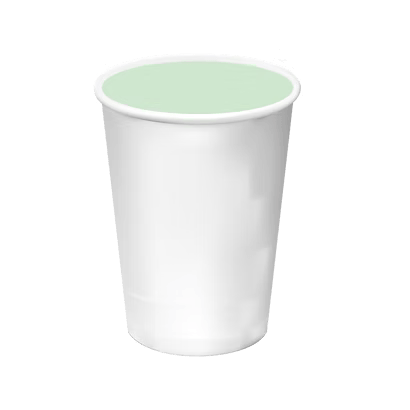
Paper Cups with PLA Coating
- Contains a Polylactic Acid (PLA) film made from corn-starch and sugarcane
- Compostable and Biodegradable– but only under industrial composting conditions and facilities
- Environmental Cost of composting makes it as bad as using a PE coated paper cup
- Not easily recyclable – the PLA film and paper need to be separated
- Need to be properly sorted from other waste streams as they contaminate recycling streams
Paper Cups with PE coating
- The most widely used disposable cup today (over 90%)
- Contains a petroleum-based plastic (polyethylene) film on the inside
- Over 25,000 microplastics enter in a single 100 ml beverage
- Claims to be ‘Biodegradable’ but takes over 20 years to degrade
- Not easily recyclable – the film and paper need to be separated
- Not Repulpable
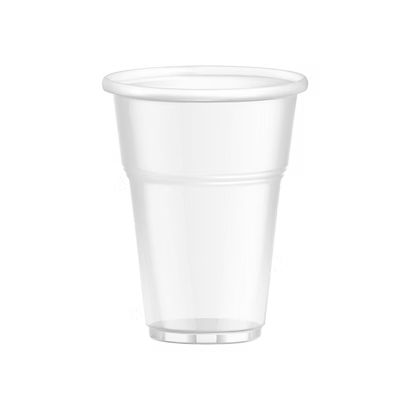
Plastic Cups
- Made of Petroleum based polypropylene
- Non-biodegradable (takes over 100 years to compost)
- Releases harmful chemicals like BPA into the beverage
- Ends up in waterbodies which affects marine life
- Not easily recyclable
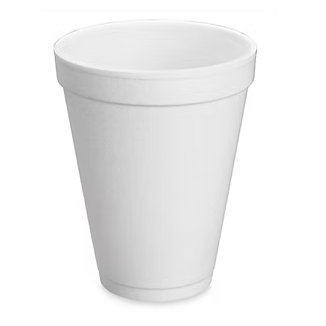
Styrofoam Cups
- Made of “Styrene” which is a known carcinogen
- Used to be the most used cups
- Non-Biodegradable
- Non-Recyclable
- Non-Printable